

Imagine cruising down the highway while using less fuel than ever before—sounds like a dream, right? Advances in automotive technology are transforming that dream into reality, offering tools and innovations that help cars go farther on every gallon. From clever engineering to smart materials, modern vehicles are designed to maximize efficiency without compromising performance or comfort. Whether you’re a daily commuter, weekend adventurer, or long-distance traveler, these innovations can save you money and reduce environmental impact. In this guide, we’ll explore fuel-saving technologies every modern car should have, highlighting how each feature works and why incorporating them can make your driving experience smoother, more economical, and surprisingly enjoyable.
Hybrid and Electric Powertrains
One of the most transformative technologies in fuel efficiency is the hybrid and electric powertrain. Hybrid vehicles combine internal combustion engines with electric motors, allowing cars to use less gasoline during city driving or stop-and-go traffic. Pure electric vehicles eliminate gasoline use entirely, relying on rechargeable batteries for propulsion. Hybrids also employ regenerative braking, converting energy from braking into electricity stored for later use. These systems significantly reduce fuel consumption and emissions while maintaining reliable performance, making them a cornerstone of modern automotive efficiency.
Start-Stop Systems
Start-stop systems automatically turn off the engine when the vehicle is idle, such as at traffic lights or in congested traffic. Once the driver releases the brake or engages the clutch, the engine instantly restarts. This seemingly simple technology reduces unnecessary fuel burn, especially in urban driving conditions where idling is frequent. Many drivers overlook this feature, but it can save several gallons of fuel over time and decrease emissions, making it a practical addition for any vehicle looking to improve efficiency.
Advanced Transmission Systems
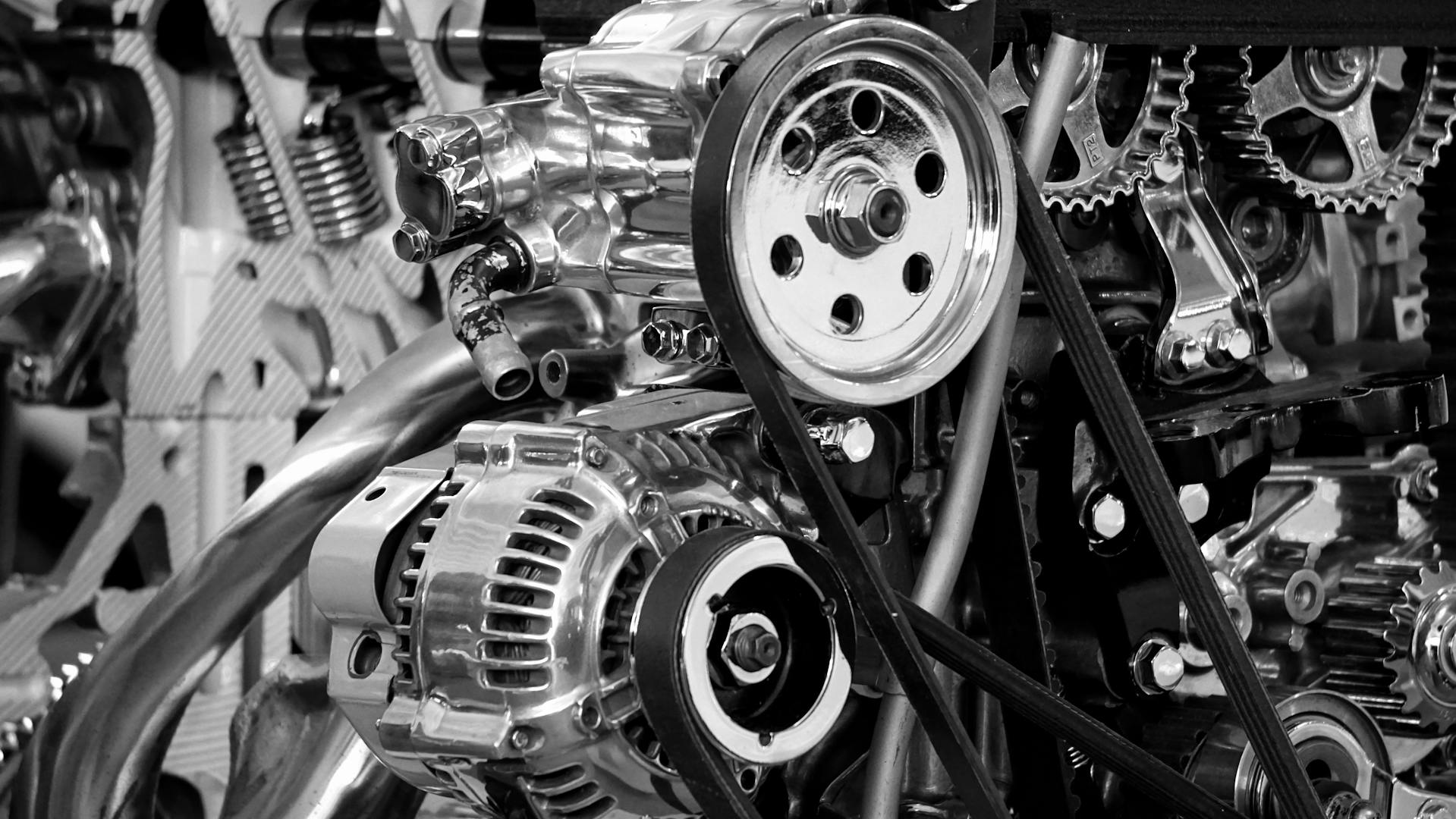
Modern cars often feature continuously variable transmissions (CVTs) or advanced automatic gearboxes that optimize engine speed for fuel efficiency. CVTs, for instance, adjust seamlessly to provide the ideal power-to-efficiency ratio at all times, eliminating wasted energy from traditional gear changes. Similarly, automatic transmissions with multiple gears allow the engine to operate at its most efficient RPM range more consistently. These technologies reduce fuel consumption, improve acceleration smoothness, and enhance overall driving comfort, proving essential for modern efficiency-focused vehicles.
Aerodynamic Enhancements
Air resistance plays a major role in fuel consumption, particularly at higher speeds. Cars with aerodynamic designs experience less drag, allowing them to maintain speed with less engine effort. Features such as smooth underbodies, active grille shutters, and rear spoilers reduce turbulence and improve airflow around the vehicle. Even small changes, like optimizing the angle of mirrors or the slope of the roofline, can lead to noticeable fuel savings. Aerodynamic efficiency has become a standard consideration in the design of modern vehicles, significantly contributing to reduced fuel use.
Tire Technology and Low Rolling Resistance
Tires play a surprisingly large role in fuel consumption. Modern fuel-efficient cars use low rolling resistance tires, designed to reduce friction with the road while maintaining grip and safety. Properly inflated and well-maintained tires reduce the effort the engine must exert to move the car, directly improving miles per gallon. Some vehicles also feature tire pressure monitoring systems that alert drivers to underinflated tires, helping maintain optimal efficiency and prolonging tire life. This simple yet effective technology complements other fuel-saving measures, offering tangible benefits to everyday drivers.
Modern automotive technologies provide numerous ways to save fuel without compromising performance. Features such as hybrid and electric powertrains, start-stop systems, advanced transmissions, lightweight materials, aerodynamic enhancements, and low rolling resistance tires collectively improve mileage and reduce environmental impact. By understanding and utilizing these innovations, drivers can enjoy more economical and eco-friendly journeys while maximizing the value of their vehicles. Adopting these fuel-saving technologies transforms the driving experience, making it smarter, more efficient, and more sustainable for daily commutes, long trips, and everything in between.